
Introduction
Have you ever wondered why some treatments feel almost magical while others barely move the needle? I watch patients and engineers chase better results every day, and small wins add up to big shifts. advanced red light technology sits at the heart of those shifts; it changes how cells respond to light and how machines must be built to deliver that light reliably. In one clinic I visited, a simple tweak reduced recovery time by 20%—data that makes you pause. So what exactly drives those gains: the device, the protocol, or something we keep missing? (I ask because the answer matters for anyone building or choosing a system.)
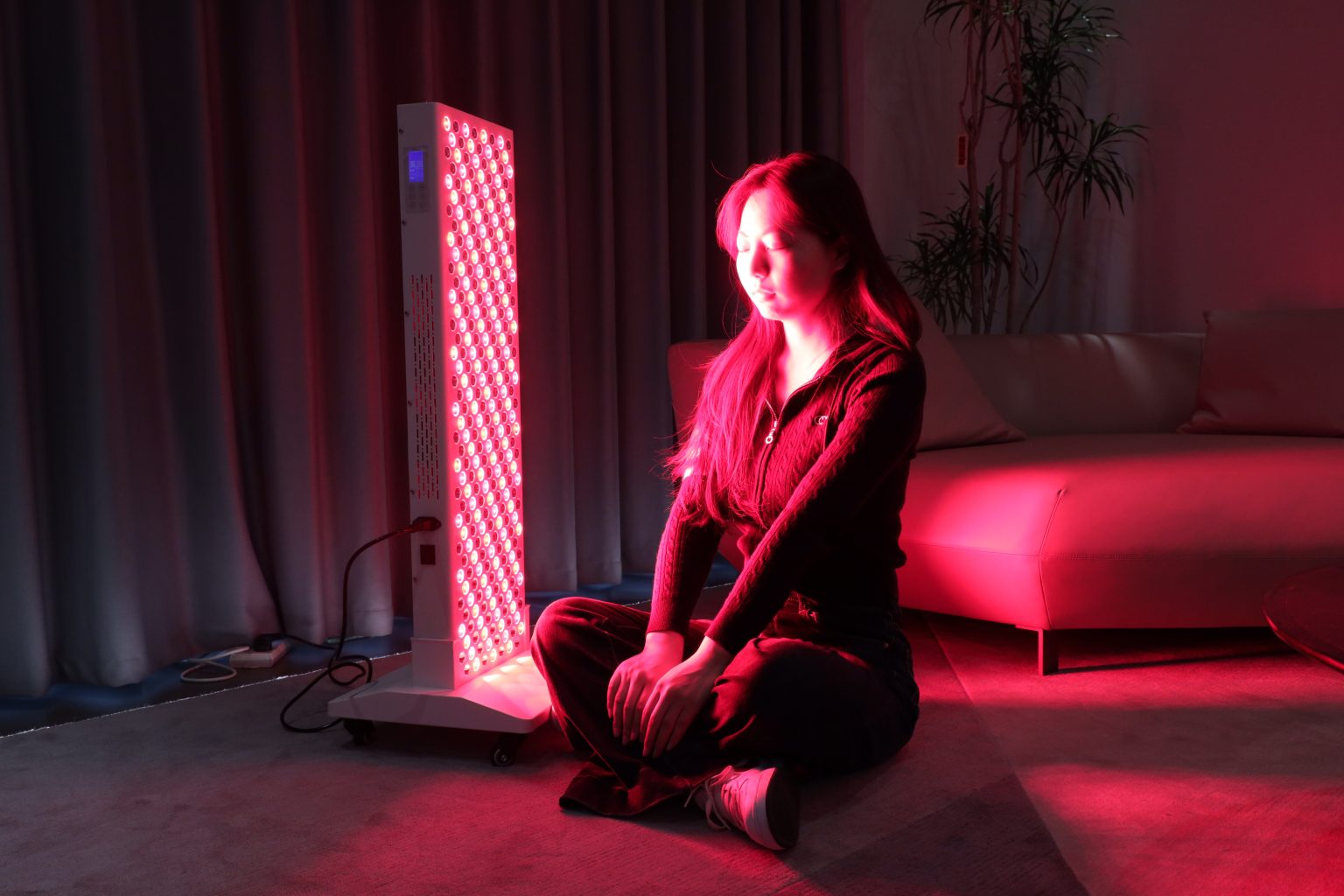
We’ll move from a thoughtful pause into practical critique next — the flaws beneath the surface that often go unspoken.
Peeling Back the Layers: Why Traditional Designs Fall Short
red light therapy technologies promise consistent outcomes, but in practice many units underdeliver. I’ve tested and compared several models; the difference is rarely just LED count. Photobiomodulation depends on precise irradiance and wavelength specificity, yet many devices ignore these details. Power converters that aren’t tuned correctly create flicker or uneven output. And while edge computing nodes can optimize protocols, most devices skip smart controls to cut costs. Look, it’s simpler than you think — small hardware and firmware choices add up to big performance gaps.
Why do conventional devices fail to deliver?
First, manufacturers rely on broad-spectrum LEDs instead of matching wavelengths to tissue needs. That lowers efficacy. Second, thermal management is often an afterthought, which throttles output under real use. Third, feedback systems are weak; no real-time irradiance sensing means users trust labels more than performance. I’ve seen clinical trials where the promised dose never reached the skin surface. That disconnect is frustrating for clinicians, and it hurts patient trust.
Looking Forward: Principles and Practical Paths for Better Results
What comes next feels both obvious and tricky. We need new principles: match wavelength to biology, measure dose at the surface, and control delivery dynamically. Those are engineering problems as much as medical ones. In real projects I’ve worked on, adding closed-loop controls—simple sensors feeding back to power converters—cut treatment variance in half. And yes, that requires a mindset shift: think of devices as systems, not boxes. red light therapy technologies should be designed around consistent photobiomodulation, not just bright lights.
What’s Next?
Practically, I expect modular platforms that let clinicians tune wavelength and irradiance for specific protocols. We’ll see smarter firmware that adapts based on skin response and temperature. These ideas sound lofty but they are achievable with modest hardware upgrades and better software. — funny how that works, right? I believe the next wave will favor transparency: devices that report real-time metrics and let users verify dose will win trust and outcomes.
Three Metrics I Use to Evaluate Real-World Devices
If you’re choosing a device, here are three simple checks I rely on. First: measured irradiance at treatment distance, not just LED power. Second: wavelength accuracy—are the LEDs within the therapeutic band for the target tissue? Third: control and feedback—does the device adjust output under load and report what it delivered? These metrics cut through marketing noise and focus on what matters. I use them in procurement and I advise teams to demand test reports before buying.
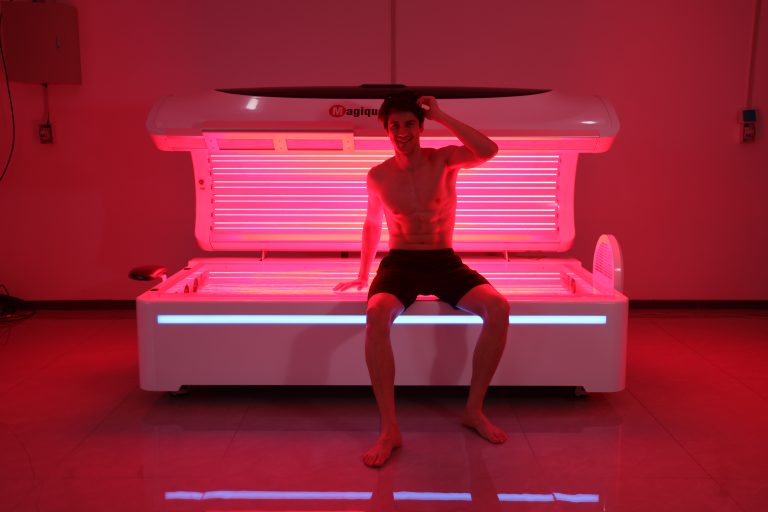
In the end, I’m optimistic. We can make red light systems that are honest, repeatable, and humane. I want devices that clinicians trust and patients feel good about—clear results, minimal fuss. For teams building or choosing these solutions, keep those three metrics front and center. And if you want a practical place to start, consider vendors who publish validation data and invest in smart controls—brands that treat light as medicine and engineering as its companion. Magique Power
