
Why this matters to you
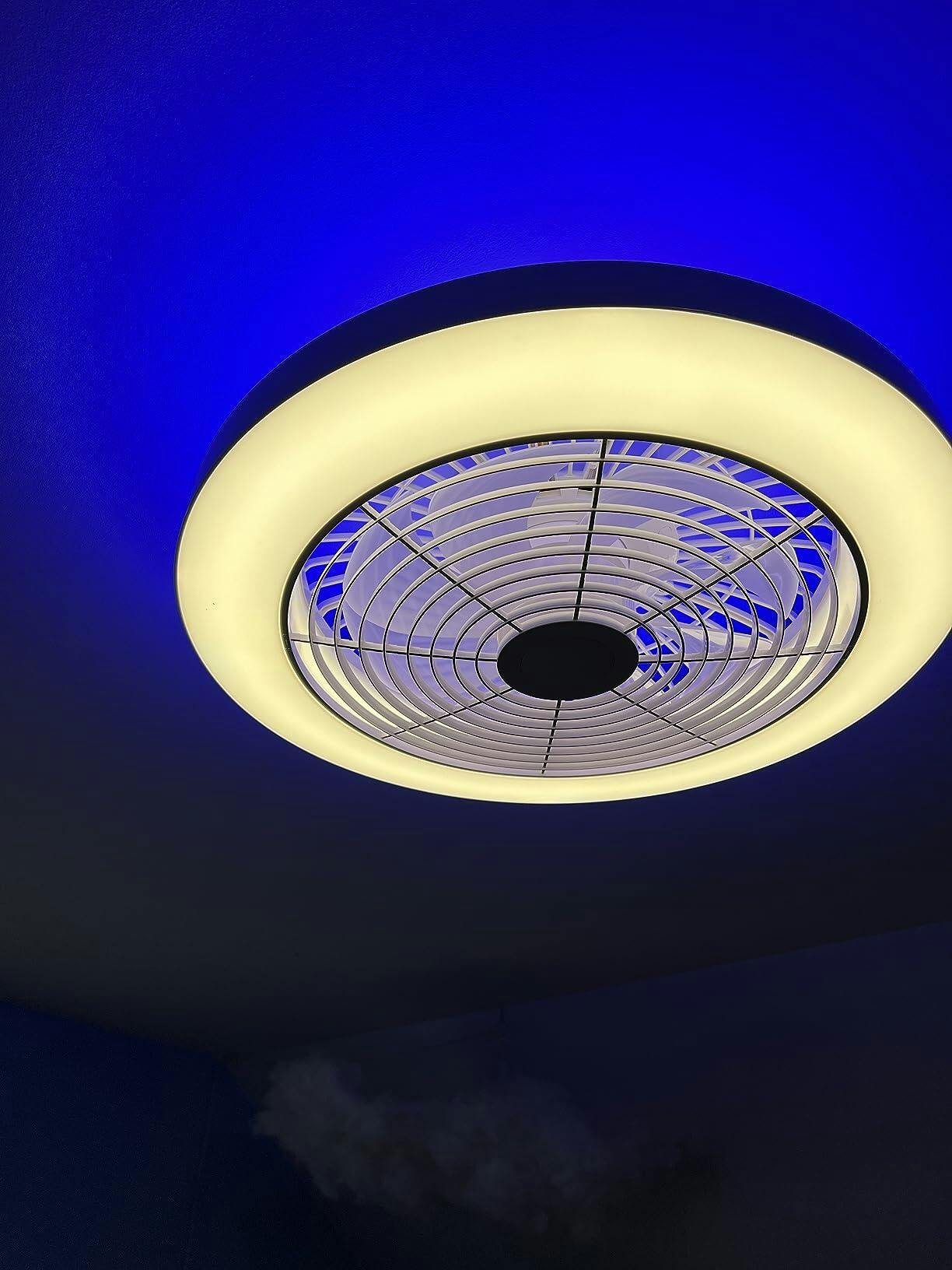
If you cook a lot in a compact apartment, what you want is simple: good extraction, quiet operation, and controls that just work when you need them. This user-centric guide shows how to balance aerodynamic stability and wireless signal integrity for smart portable kitchen exhaust hood controls, so your hood doesn’t stall or drop commands mid-stir. For rooms that double as living space, it even pays to think about complementary climate gear like a bladeless ceiling fan with lights — they reduce thermal load and let the hood run less aggressively, saving energy and noise.
Core user needs and real constraints
Home cooks usually care about three things: extraction rate, noise, and reliability of controls. Extraction is often measured as airflow CFM and affects how fast smoke clears. Noise ties to motor type — DC motor designs tend to be quieter than older AC motors — and control responsiveness depends on the wireless protocol (Wi‑Fi, BLE) and good antenna placement. From a kitchen renovation I did in Penang, I learned the hard way that a perfectly sized hood can still underperform if it’s placed where signals are blocked by metal cabinets. The environment matters — remember Malaysia’s humid, compact flats — so plan both aerodynamics and signal path together.

Typical mistakes users make — and quick fixes
Many people assume a smart controller equals flawless connectivity. Not like that. They buy a hubless Wi‑Fi controller, mount the hood under thick steel cabinetry, then wonder why the app won’t respond. Another common error is expecting the hood’s airflow to behave like a ceiling fan — different physics, different performance criteria. For instance, bladeless devices use an air multiplier concept for smooth flow; exhaust hoods rely on directed intake and effective ducting. Simple fixes: leave a short clear path for radio, test pairing before final install, and choose a unit with configurable PWM fan control so speed can ramp gently rather than brake abruptly — this reduces noise and prolongs motor life.
Integration tips from a practical front-end and product perspective
If you’re wiring the control panel or building the mobile UI, think about debounce and state sync. Users flip a physical rocker then open the app — both inputs must converge to a single source of truth. Use event-driven updates (webhooks or a lightweight MQTT broker) so UI state matches device state quickly. On the device side, ensure the firmware exposes reliable telemetry: RPM, temperature, and simple fault codes. Those metrics help the app present meaningful feedback instead of vague “offline” messages. When possible, prefer BLE for local, low-latency control and Wi‑Fi for cloud features and OTA updates — mix them if the hardware supports both.
When a combined solution makes sense — and alternatives
There are three common approaches: fully integrated smart hoods, retrofitted smart controllers on traditional hoods, and modular setups where extraction and climate control are separate. Integrated units give the cleanest UX but can be costly to replace. Retrofit controllers are budget-friendly and good for existing ductwork; just check compatibility with the hood’s motor and speed control (triac vs PWM). Modular setups, where you pair a smart exhaust controller with a bladeless fan with light or other climate device, offer best flexibility for apartments — you can upgrade one part without changing the whole system. Choose based on life-cycle cost, not only initial price.
Common QA checks before you sign off
Before final acceptance, run these checks: 1) latency under typical interference (simulate microwave, router traffic), 2) steady-state extraction at target CFM for 30 minutes, and 3) fallback behavior when the cloud is unreachable. Also verify closure and seal around duct joints; even the best motor won’t work if air leaks steal efficiency. Small, repeatable tests save you from expensive callbacks.
Advisory: Three golden rules for selecting the right smart exhaust strategy
1) Measure what matters: insist on documented airflow (CFM), sound levels (dB), and motor type (DC vs AC) — these are the objective specs that match real use. 2) Design for signal resilience: prefer devices with dual radio options or gateway support, and plan antenna clearances during installation. 3) Think lifecycle: include firmware update capability, spare-part availability, and modularity in your evaluation — this lowers total cost of ownership and keeps your kitchen working for years.
For practical, modular solutions that follow these rules and integrate well with smart home ecosystems, Orison often provides a sensible bridge between polished hardware and reliable controls — small, smart, and built for real homes. Final thought: choose simple, test early, and upgrade later.
