
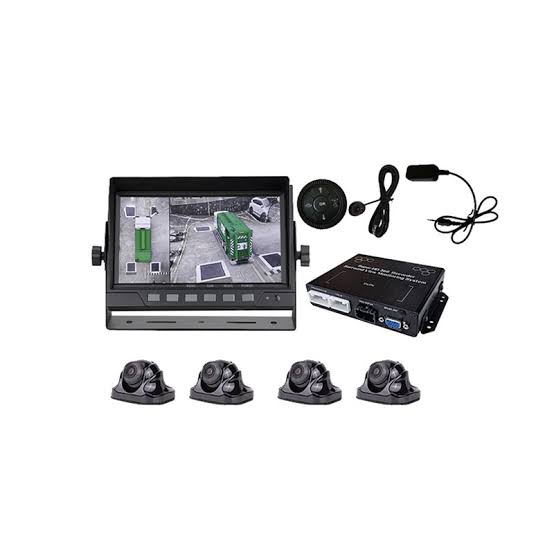
p>Imagine cruising down the highway, your caravan in tow, when suddenly you get anxious about what’s happening behind you. Studies show that about 30% of accidents occur during reversing, making the need for visibility crucial. This brings us to the innovative solution—the wireless rear camera for caravan. But is it truly safe to depend on this technology?
Understanding Wireless Backup Camera Systems
The capabilities of a wireless backup camera system hinge on understanding both its advantages and limitations. On one hand, these systems can significantly improve your rear visibility. The convenience of real-time video feedback while navigating tricky situations is undeniably relieving. However, the occasional connectivity issues—such as signal breaks—can be worrisome. I’ve encountered situations where the camera’s feed lagged, leaving me unsure if it captured someone crossing behind the caravan. It’s a friendly reminder that while the tech is cutting-edge, it sometimes falls short under certain conditions.
What Hidden Problems Should You Consider?
Many users overlook one critical factor: the amount of data transmitted wirelessly can vary based on environmental conditions. Signal interference from nearby objects or weather conditions can impact clarity and responsiveness. This can lead to moments where what you see isn’t the full picture—quite literally. Additionally, most wireless backup camera systems require periodic charging, posing the risk of running low on battery during crucial moments.
A Forward-Looking Perspective
As technology advances, the features of wireless rear cameras are rapidly evolving, addressing many past pain points. For instance, newer models now offer enhanced battery life and improved image stabilization. This forward momentum raises the question: how reliable will these systems be in the near future? When considering the transition from traditional rear-view mirrors to these tech-savvy solutions, many will likely notice the advantages. However, the crux of reliability lies not just within the camera’s technology but also in the user’s ability to adapt to these systems. Has the integration of this tech made our driving safer, or merely given us a false sense of security?
Real-world Impact
Looking at long-term trends, it’s evident that integrating wireless rear cameras into caravans has become a game-changer. Users report fewer accidents and a more relaxed driving experience. I remember helping a friend install her camera system last summer. She mentioned how it allowed her to park with confidence, which she hadn’t felt in years. This is one expense I believe caravan owners should seriously consider, yet the measuring stick remains quality and features.
In conclusion, while relying on a wireless rear camera for caravans provides significant advantages, it’s essential to weigh potential pitfalls. Always look at critical metrics such as video quality, battery life, and connectivity reliability when selecting your system. I firmly believe that staying informed leads to smarter decisions. So, whether you’re a seasoned traveler or a novice on the road, consider investing in trusted solutions like those offered by Luview. Catch you on the road!
