
Introduction
I was on a plant floor once, watching a pump stall mid-shift — folks were swearing, the clock was ticking, and production dipped by 12% in a half hour. In that mess I kept asking about the motor controller; the truth is, a faulty controller can ripple through an entire line. (Ja, it hurts the bottom line — and yes, I’ve been there.) What data do we really need to spot issues before they blow up? Let’s roll into the signs and simple checks that actually help you act fast and fix smarter.
Why Standard Fixes Often Fall Short
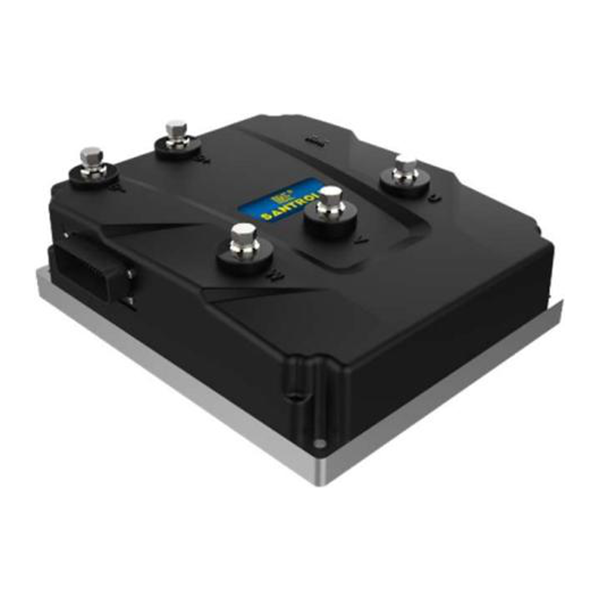
When I look deeper at a variable speed controller for ac motor, I see repeated patterns. Teams swap drives, tune gains, and call it a day. But many of those fixes treat symptoms, not causes. For example, a noisy inverter output may get filtered, yet the core problem — loose encoder feedback or poor cable shielding — stays. That leads to repeat trips. I’ve watched seasonal humidity ruin connectors. It’s maddening.
Why does this keep happening?
Here’s a short list of hidden pain points I keep finding: wrong PWM settings for the load, neglected torque ripple in vector control schemes, and overconfident sensorless control assumptions. Look, it’s simpler than you think — most sites miss simple bench tests that reveal faulty power converters or miswired phases. Also — funny how that works, right? — people lean on software alarms and ignore baseline vibration and thermal checks. If we don’t fix how teams diagnose, we’ll keep cycling through band-aid solutions.
New Tech Principles and a Practical Outlook
Now let’s look forward. I want to sketch two practical principles that are changing the game for motor control. First: intelligent diagnostics at the edge. By adding small edge computing nodes to the drive, we can log PWM patterns, monitor current harmonics, and flag anomalies before the motor trips. Second: adaptive control layers — think simple forms of field-oriented control (FOC) that adapt to load shifts without complex retuning. These ideas lower trips and help teams sleep better.
What’s Next?
In practice I’d pair a robust bldc motor controller with periodic field tests. Run short ramp tests, capture current spectra, and compare to a healthy baseline. Add inexpensive sensors for temperature and vibration. The result is a clearer service window, fewer emergency shutdowns, and measurable uptime gains. I’m not saying it’s magic — you still need good installation and cabling — but these moves cut repeat visits and reduce guesswork.
Before I sign off, three quick metrics I always check when choosing a motor control solution: response time (ms to stabilize under load), diagnostic depth (how many fault types it logs), and maintainability (how easy are updates and component swaps?). Pick a solution that scores well on all three. If you want a reliable partner for drives and controllers, check out Santroll. I’ve worked with gear like this; it makes a difference — and, yes, I’d recommend it.
