
Introduction: A floor moment that changes the story
Picture a late shift. The dock buzzer pops, and two robots pause at a tight turn while pallets stack up behind them. The amr controller is doing its best, but the hallway feels tense. In one week’s log, 29% of pauses came from network jitter, and 17% came from poorly tuned loops—small things that add up. So, what really separates a fleet that glides from one that lurches between starts and stops? (It’s often quieter than we expect.) It isn’t just the map or the motor. It’s how choices are made, when, and under what pressure. And that’s where leadership—of systems, not people—begins. Let’s step into the comparison that matters most, and see why the difference shows up in motion.
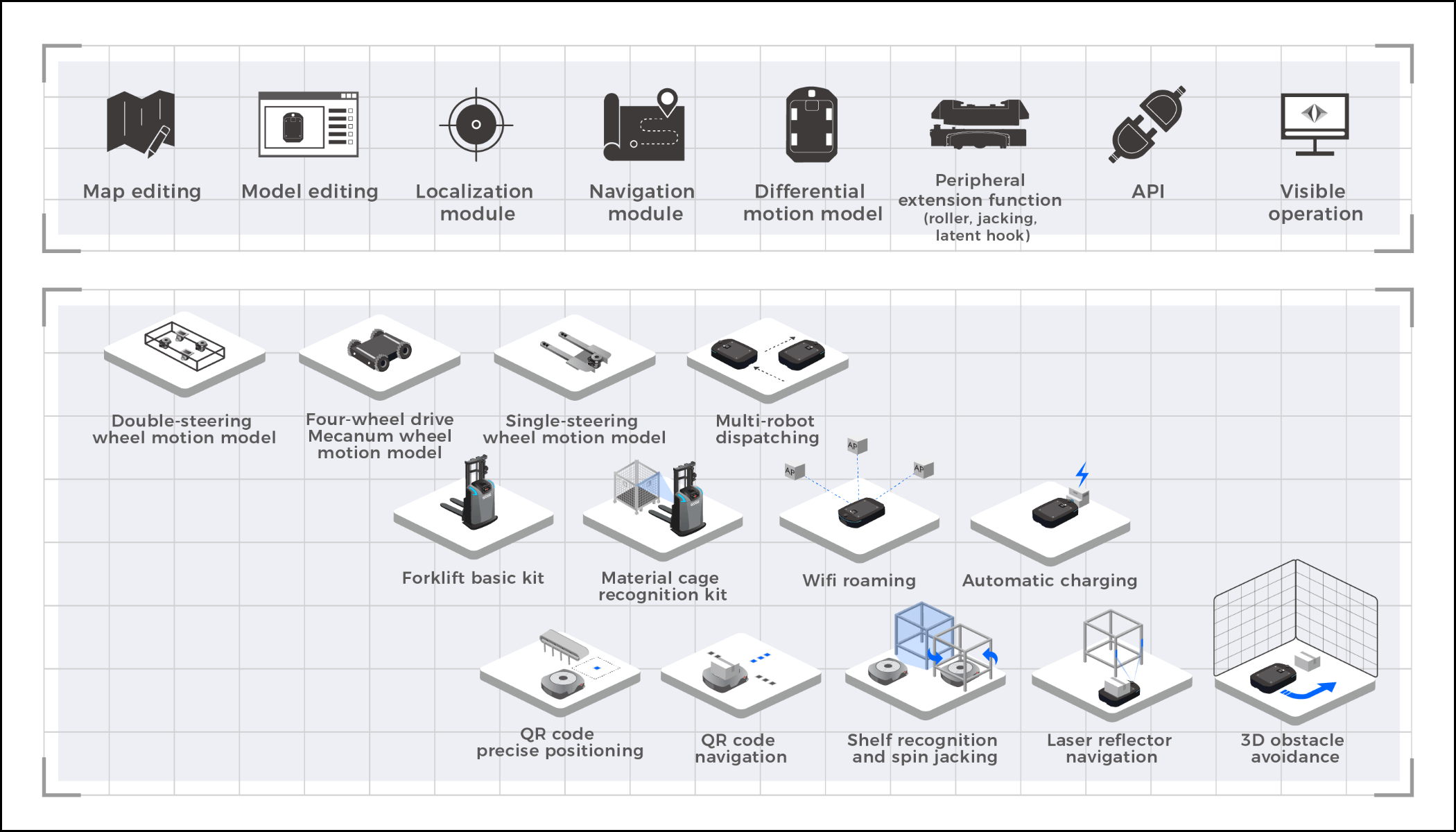
Under the Hood: Why traditional control stacks stall when it counts
A modern robot control system has one job: keep decisions timely and aligned with the real world. Older designs try to do this with fixed cycles and broad safety margins. On paper, that looks stable. In practice, your latency budget gets eaten by tiny things: sensor fusion delays, chatty CAN bus traffic, and retries from flaky Wi‑Fi hops. When load spikes, the stack “breathes” at the wrong moments—funny how that works, right?—and a robot pauses in front of an open aisle. What seems safe can become jitter-prone because priorities aren’t explicit.
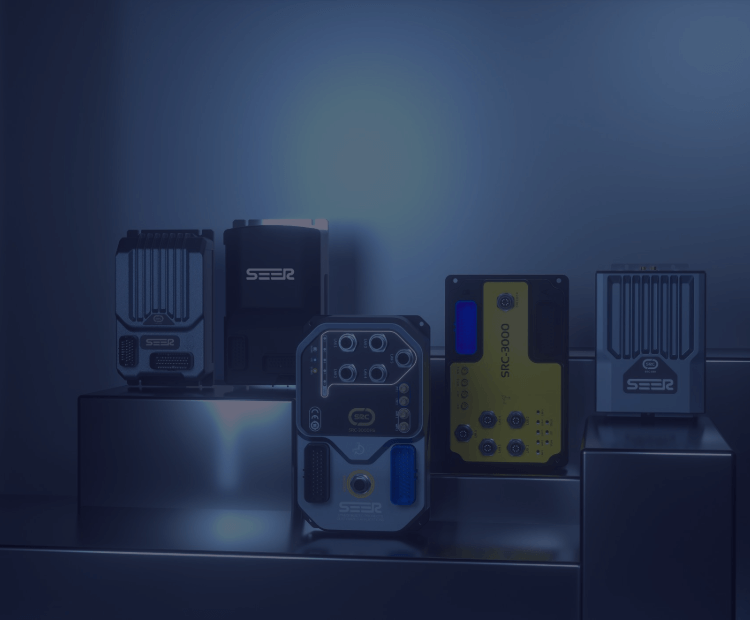
Where do delays really live?
They live in the gaps between modules that were never designed to talk under stress. Planning hands off to control. Control waits on perception. Perception waits on drivers. A micro-stall here, a queue there, and the sum beats your deadline. Look, it’s simpler than you think: if the loop time slips beyond the path update window, your pose gets stale, your PID loops chase ghosts, and your stop-start pattern increases wear on power converters. Traditional fixes add faster CPUs or more sensors, but the problem is orchestration. Without end-to-end scheduling, even edge computing nodes can’t guarantee what matters—consistent actuation at the moment of need.
Comparative Insight: Principles shaping the next wave
If the old approach breaks under pressure, what replaces it? The emerging answer is principle-led control. Instead of stacking modules and hoping, the newer path builds timing into the fabric. Event-driven schedules replace blind polling. Time-aware comms—think TSN-style channels—keep messages within a real, measurable window. And the planner stops acting like a lone genius; it cooperates with the controller under a shared clock. In this model, the robot control system treats deadlines as first-class citizens, not afterthoughts. That’s how you protect the critical path when pallets shift, humans cross, and routes change mid-mission—without overreacting.
What’s Next
Two strands are converging fast. First, better math at the edge: lightweight model predictive control that adapts under load, and SLAM pipelines that expose their own timing so the rest of the stack can plan around them. Second, smart guarantees: QoS settings tied to motion phases—approach, align, dock—so you don’t flood the radio during precise maneuvers. The result is simple to feel: fewer micro-pauses, cleaner path adherence, and calmer fleets. Different teams run different brands, yet the winners share the same habits—deterministic loops, transparent priorities, and recovery that is measured in milliseconds, not minutes. And yes, you can measure it.
So the lesson is not louder hardware, but quieter timing. Shift the comparison you make. Instead of shiny add-ons, ask for proof under stress: mixed traffic, noisy sensors, and human crossings at peak. Advisory close, because choices matter now: pick by three metrics. One, 99th‑percentile control latency under load (not average). Two, recovery time from comm loss or sensor dropouts to a stable state. Three, energy per completed mission—watch how start-stop behavior inflates it. When these move the right way, the floor softens, and teams breathe. That’s the quiet difference behind high‑performing AMR controllers—and the mark of partners who build for real work, like SEER Robotics.
