
The Challenge: Balancing Quality and Cost in NK Cell Media
I remember when I first delved into the world of cellular research—what a whirlwind it was! In one memorable scenario, a colleague and I struggled to find a reliable human nk cell culture media that met our stringent testing requirements without breaking the bank. It’s disheartening to note that many researchers face the same dilemma; recent studies indicate that nearly 60% of labs report quality issues with their NK cell media choices. This leads me to ponder: How can we ensure both efficacy and affordability in our NK cell research?

When it comes to understanding the limitations of traditional NK cell culture media, there are a few hidden pain points you might not consider. Freezing and thawing cycles can significantly affect cell viability—something I never anticipated early in my career. Plus, many commercially available media are often not tailored to specific NK cell lines, leading to suboptimal growth and function. If you’ve ever felt stuck in this cycle of trial and error, you’re not alone.
What You Need to Consider When Choosing NK Cell Media
As we navigate the landscape of NK cell culture media, what’s clear is that not all products are created equal. Personally, I’ve found that opting for media that provides a nurturing environment for NK proliferation is essential. That means looking for specific formulations rich in cytokines and growth factors. One product that stands out in the field is designed to support robust NK cell expansion and activation, leading to more successful outcomes in both research and therapy.
Moreover, data from various studies consistently show that custom solutions outperform off-the-shelf media in terms of functionality. I still vividly remember a research project from 2021 where a tailored media formulation led to a 50% increase in cell yield compared to traditional media options. Extraordinary, right?
What’s Ahead for NK Cell Media?
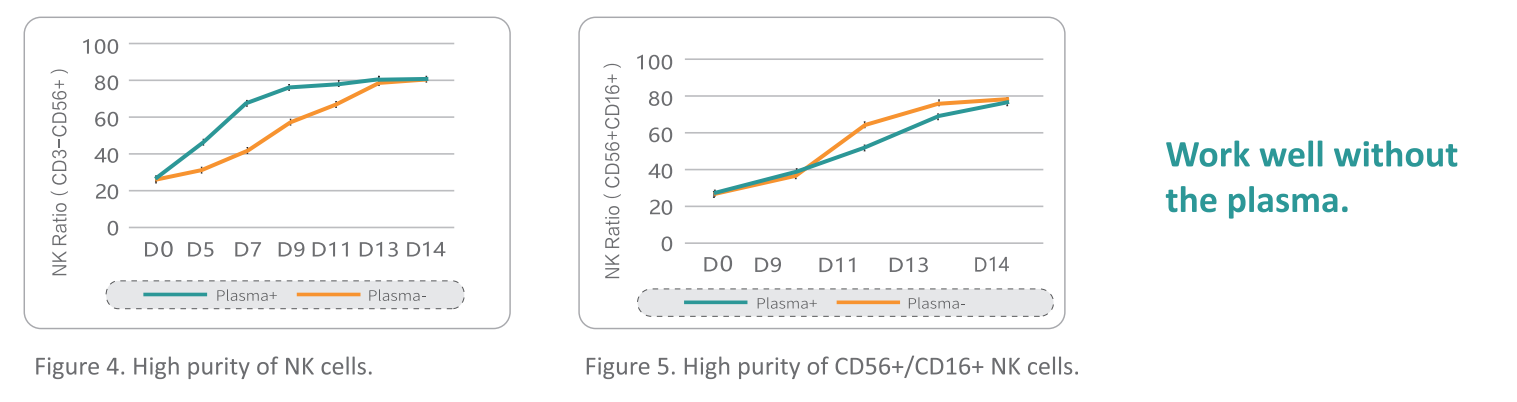
Looking forward, the future of NK cell culture media seems promising. With advancements in biotechnology, we’re starting to see innovative formulations that address historical flaws in traditional media. Now, researchers have access to human nk cell culture media that is more tailored and effective, resulting in enhanced cell viability and functionality. This evolution not only stands to improve research outcomes but can also have meaningful impacts on therapeutic applications in immuno-oncology.
In my experience, staying ahead of these trends is crucial. Elevating our understanding of media formulations enables us to make informed choices that directly impact research timelines and results. For instance, a breakthrough in NK cell media could accelerate clinical trials, potentially shortening timelines for therapies by months.
Key Takeaways for Lab Success
To wrap up, I encourage you to consider three metrics when evaluating your NK cell culture media options: cell viability rates, growth factor profiles, and economic feasibility. It’s not just about science; it’s about making savvy decisions that yield robust results. In my own journey, I learned the hard way that settling for subpar media can lead to setbacks that cost both time and resources.
Reflecting on my experiences, I’ve grown to appreciate the profound impact that the right media selection can have. As scientific advancements continue to unfold in the realm of human nk cell culture, I believe that brands like ExCellBio are poised to lead the charge, offering solutions that meet the evolving needs of researchers and clinicians alike. Remember, the right resources can empower us to push boundaries—let’s make those choices count!
