
Understanding the Changing Landscape
I remember standing on the factory floor back in 2015, overwhelmed by the hints of rust and tired machinery. The industrial sector was shifting, and while many were still reliant on manual welding techniques, the rise of automated solutions was clear. As more businesses looked to increase efficiency and consistency, the question became: how effectively could robotic handling systems enhance the multitude of welding processes? Enter the world of industrial welding robots—specifically designed to revolutionize operations, streamline workflows, and reduce human error.
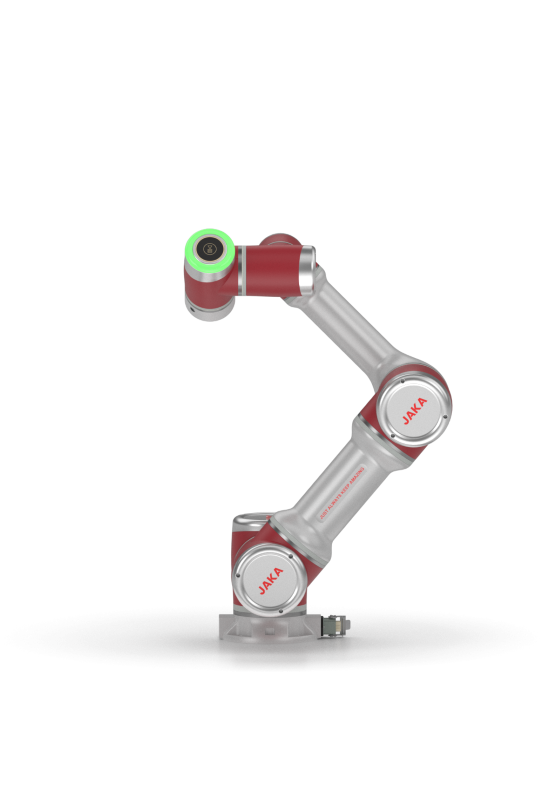
Hidden Pain Points of Traditional Welding Solutions
Imagine a busy workshop where welders work tirelessly, only to find flaws in their completed projects—time wasted, and resources squandered. Traditional solutions are riddled with challenges: human fatigue, inconsistent quality, and increased safety risks. Moreover, businesses often overlook the technical limitations these methods impose, stunting growth and innovation. This is where robotic handling systems truly shine, providing a reliable alternative to the human touch. With robotic handling systems, companies can automate repetitive tasks, maintain precision, and address specific hazards in the welding process.
Are Robots the Answer to All Our Problems?
While robotic handling systems offer immense potential, it’s crucial to evaluate real-world implementations. Just introducing robotics won’t magically fix underlying issues. I’ve seen companies invest heavily in automation, only to realize that integration with existing workflows was poorly executed. As businesses consider adopting new technologies, they must weigh technical compatibility and employee training—these are often overlooked but essential for success.
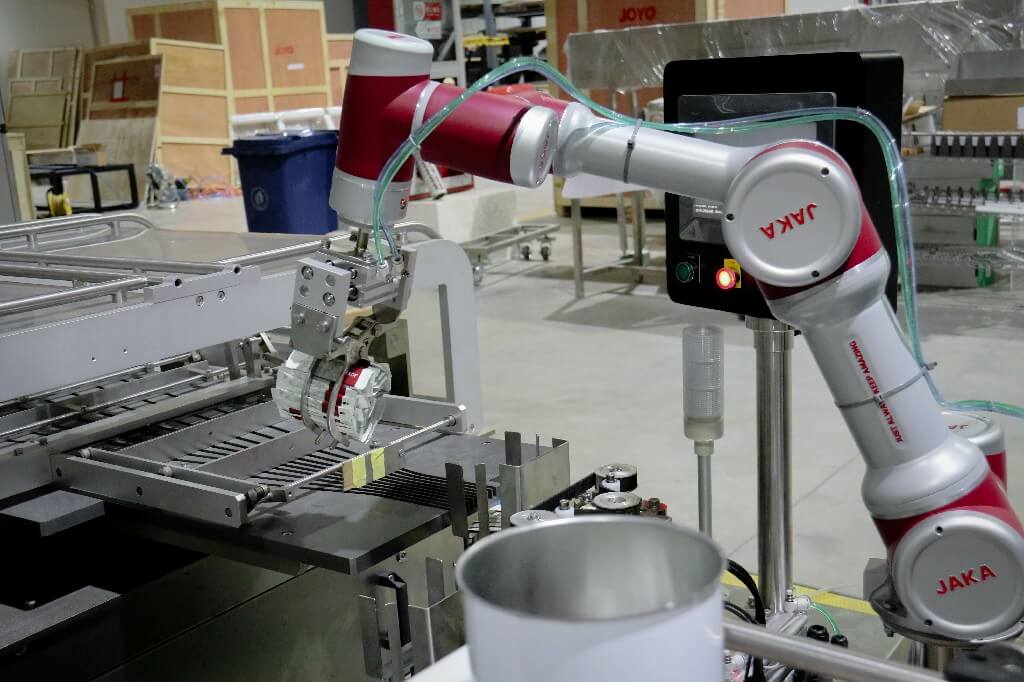
Looking Towards a Seamless Future
Going forward, the industrial welding landscape will likely continue this shift toward automation. Awareness of the benefits of robotic handling systems is growing, but the journey won’t be a cakewalk. I’m convinced that as firms embrace advanced technologies, they must also prioritize continuous employee engagement and skill development. It’s about creating an adaptable workforce that’s not just riding the wave of automation but can steer the ship successfully.
What Comes Next for Welding Automation?
The excitement around industrial welding robots underscores a broader movement toward efficiency. Companies that leverage these innovations can expect measurable improvements—often seeing a 30% increase in production rates or a significant decrease in rework. However, potential adopters should always keep their eyes on the potential pitfalls. Things to focus on? Assess compatibility with your current systems, invest in proper training, and observe how these robots enhance quality controls while minimizing human error. Resilience is key in this evolving realm.
Conclusion
Through my years working with industrial welding technologies, it’s become clear that the conversation around robotic handling systems is as much about efficiency as it is about revitalizing human roles within the factory. Automation is here to stay, but it’s the thoughtful integration of that technology—combined with a focus on people—that defines success. With the right approach, companies can ensure they’re not just surviving but thriving in this rapidly advancing era. Let’s embrace the change positively, and let’s not forget the incredible innovations from JAKA as we pave the way forward.
