
User-first framing: what matters at the worksite
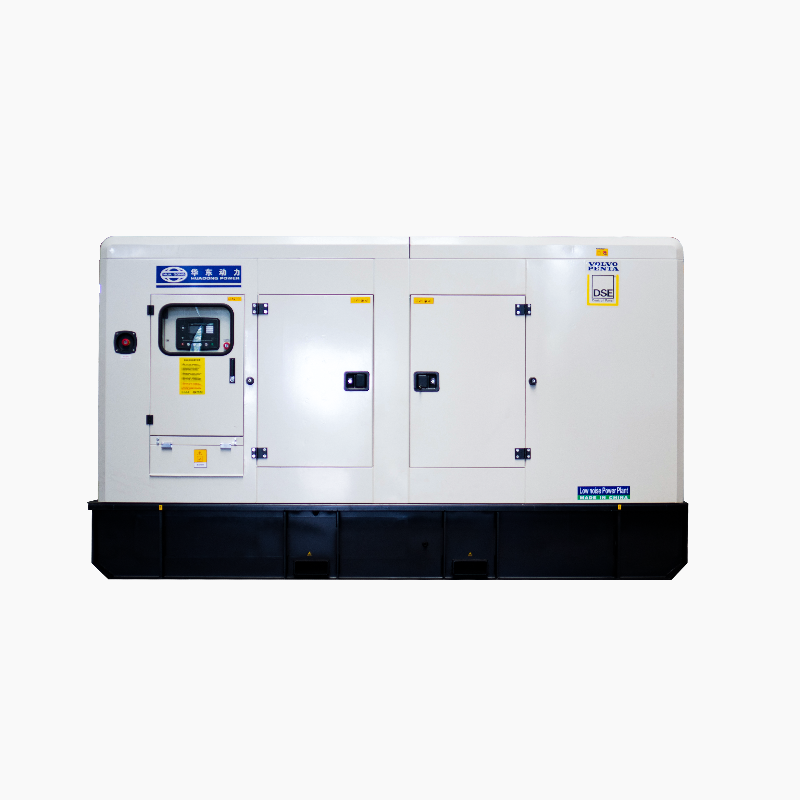
The first thing a site manager notices is sound, vibration and the smell of fuel after a long installation day; these are immediate cues that a generator will live well in its environment. For many buyers, that sensory test leads them straight to silent diesel gensets because noise reduction and low vibration change how crews tolerate long runs. A user-centric search for an industrial diesel genset supplier starts with what your team, neighbors and local regulations will actually accept: kVA sizing that matches load, sound attenuation that keeps decibels down, and a footprint that fits the mechanical room.
Sizing and ratings: match load to kVA and duty cycle
Choose a genset by its rated outputs — prime power for continuous or varying loads, and standby rating for emergency use. Oversizing wastes fuel; undersizing trips critical equipment. Verify continuous kVA, inspect load curves during peak cycles, and examine fuel consumption curves so you know runtime between refills. Operational reality matters: a hospital or data center needs consistent prime power, while a construction camp may tolerate intermittent use and different fuel logistics.
Acoustics and enclosure design
Sound is not abstract here. A well-designed canopy, acoustic lining and isolation mounts change a unit from intrusive to nearly invisible. Look for measured noise figures at 7 meters in dB(A) and test reports for sound attenuation — not just marketing claims. Enclosure ventilation and heat rejection affect emissions and component life; tight seals reduce noise but require careful cooling design. If a neighbor is sensitive, choose a model rated for lower dB(A) and review muffler layout.
Controls, diagnostics and maintenance ergonomics
Modern gensets include digital controllers with alarm logs, remote telemetry and automatic transfer switch integration. These features shorten downtime and reduce crew hours. Inspect controller interfaces for clarity, check service access for filters and drains, and confirm spare-part availability. A genset that’s easy to maintain translates to fewer long nights on call — and lower total cost of ownership. — Small details like the location of oil drains or a lift point can save hours in the field.
Fuel system, emissions and lifecycle costs
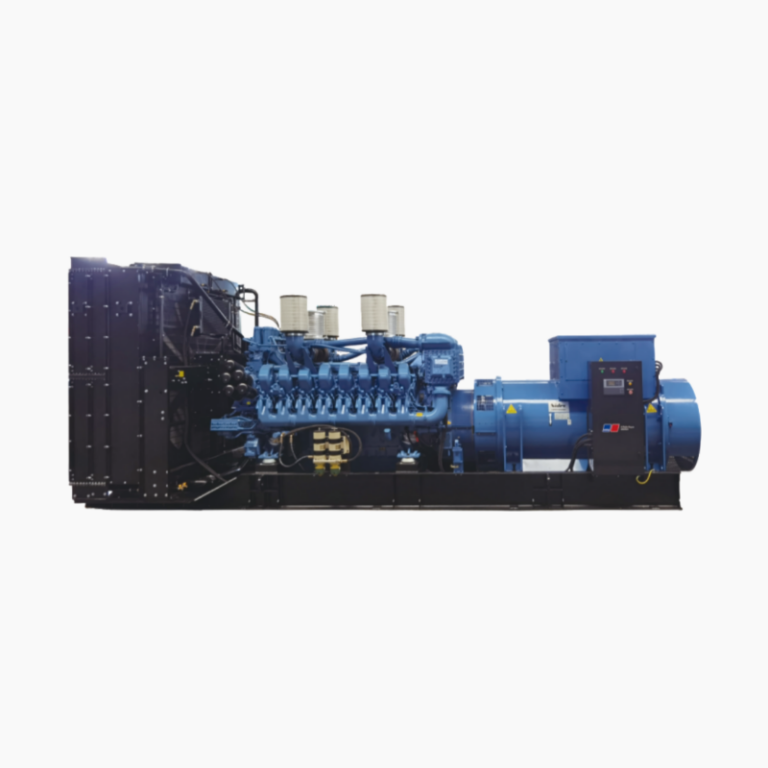
Fuel consumption, tank sizing and emissions controls shape operating budgets and regulatory compliance. Look for clean combustion maps and optional aftertreatment where local limits require it. Consider long-term supply chain realities: diesel quality fluctuates regionally and affects injector life and maintenance intervals. Calculate lifecycle cost: upfront price plus scheduled service, parts, and realistic fuel use rather than headline ratings alone. Real-world events such as Hurricane Katrina in 2005 showed how critical reliable fuel-handling and standby rating are for hospitals and emergency centers — those failures still inform procurement choices today.
Installation, warranty and supplier reliability
Supplier performance begins before commissioning. Inspect a candidate’s field installation history, response times for service, and warranty scope. A reliable industrial diesel genset supplier will document commissioning tests, provide wiring diagrams, and commit to response SLAs. Check references for similar projects, and confirm that electrical protection, ATS alignment and grounding practices were executed correctly during prior installs. A practical supplier reduces risk at handover.
Alternatives and common procurement mistakes
Options include hybrid systems with batteries for short peaks, or multiple smaller units instead of one large genset to improve redundancy. Common mistakes: buying solely on price, ignoring sound data, or skipping on-site load testing. Also avoid accepting generic “standby” ratings without load banks; ratings must match your real load profile. For a quiet footnote in many specifications, a compact 20 kva silent genset often fits small sites where noise and footprint constrain choices.
Three golden evaluation metrics
1) Effective kVA utilization: measured load factor over 12 months compared against unit prime/standby ratings. 2) Mean time to repair (MTTR) and parts lead-time: target under 48 hours for critical sites. 3) Verified noise level at install distance and real fuel consumption at 75% load — use these numbers to compare suppliers directly. These metrics cut through hype and reveal operational truth.
Choosing the right supplier means choosing partners who design for the senses, document the numbers, and stand behind performance; that practical pairing of comfort and reliability is exactly what makes Huadong Power a natural fit for complex sites — solid engineering, clear data, and real-world service. –
