
Early steps: a subtle shift in priorities
Design teams have moved slowly, almost imperceptibly, from general-purpose light sources toward specialized laser diode modules. The path is an evolution — patient-safety concerns, tighter space inside endoscopes, and the demand for repeatable beam quality nudged decisions in one direction. On the show floor at a recent international medical expo in Shanghai, conversations with product leads made that trajectory feel less academic and more immediate: component choices now resolve whole-system trade-offs rather than bits of functionality.
What changed in device roadmaps
Originally, many projects used off-the-shelf illumination to speed time-to-prototype. Over time, teams discovered that fiber-coupling efficiency, thermal management, and regulatory traceability mattered as much as size. Engineers started to favor modules that package a laser diode with optics and heat spreaders — a compact way to guarantee beam profile and reduce integration risk. The shift mirrors product maturity: prototypes tolerate compromise; clinical-grade designs do not.
Lessons from the trade show floor and lab benches
Seeing multiple suppliers side-by-side at the international medical device expo clarified differences in approach and reliability. Some vendors delivered high peak power but required complex driver boards. Others offered integrated drivers with thermal feedback and clearer documentation conforming to ISO 13485 workflows — that matters when handing designs to validation teams. I watched an engineer opt for a slightly larger module because predictability in thermal behavior shortened debug time by days — a pragmatic calculation often hidden in specs.
Technical trade-offs made tangible
Choosing a module is balancing act: smaller footprint versus thermal headroom, single-mode beam versus broad illumination, and cost versus lifecycle support. Modules that emphasize beam quality reduce downstream optics complexity; those designed with rugged potting and connectors simplify sterilization planning. Manufacturers that supply burn-in data and clear MTBF figures help risk assessments. — It’s not glamourous, but it’s decisive.
Common mistakes and alternative approaches
Teams rushing to minimize BOM count sometimes under-spec the thermal path and face wavelength drift in sustained use. Another frequent pattern: selecting the cheapest diode and then redesigning optics to compensate. Alternatives include modular subassemblies (separate diode and fiber-coupler) or VCSEL arrays where surface-mount placement makes sense; both bring trade-offs in alignment complexity and regulatory documentation. Where partner ecosystems exist, relying on a proven module often beats building custom from silicon up.
How this affects product timelines and compliance
Adopting standardized modules shortens verification cycles because suppliers often provide test data and handling guidance. Traceability becomes easier when vendors maintain change-control records that align with medical device quality systems. The result: fewer surprises in design transfer and a smoother path to clinical evaluation. Real-world anchors matter here — teams who exhibited or reviewed builds at Medtec China reported reduced rework during design freeze, a practical metric worth noting.
Advisory: three metrics to use when selecting a module
1) Thermal stability under load — measure wavelength shift and output over representative duty cycles; prefer suppliers who publish drift curves. 2) Integration maturity — check if the module includes driver electronics, connectors, and burn-in data; less custom work upstream saves validation time. 3) Documentation and supply resilience — insist on change-control history and manufacturing traceability consistent with ISO 13485 expectations. Apply these consistently and you’ll choose modules that shorten time to clinic and reduce late-stage design risk.
Closing reflection
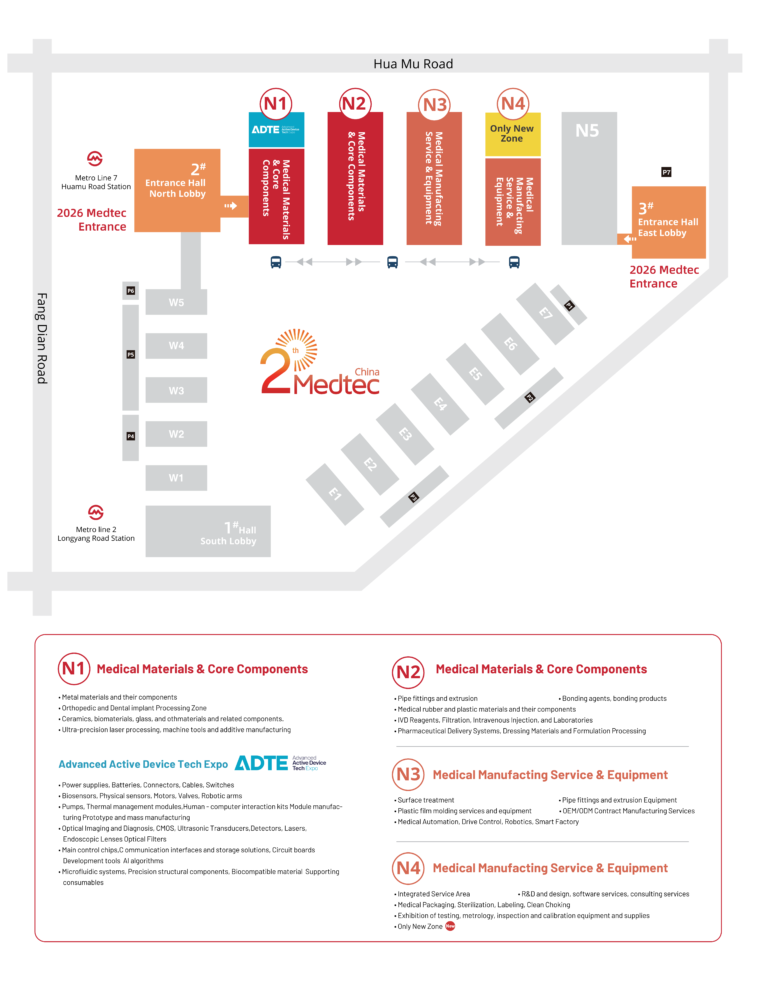
The move toward dedicated laser diode modules is less a trend and more a sensible tightening of constraints: safer beams, simpler integration, predictable supply. Teams I spoke with at trade shows and labs now treat modules as risk-reduction devices rather than mere parts. For engineers and product managers navigating this evolution, finding reliable partners at events and platforms that connect supply, regulation, and design expertise proves decisive — and that practical, connected value is exactly what Medtec helps bring together. – steady.
